
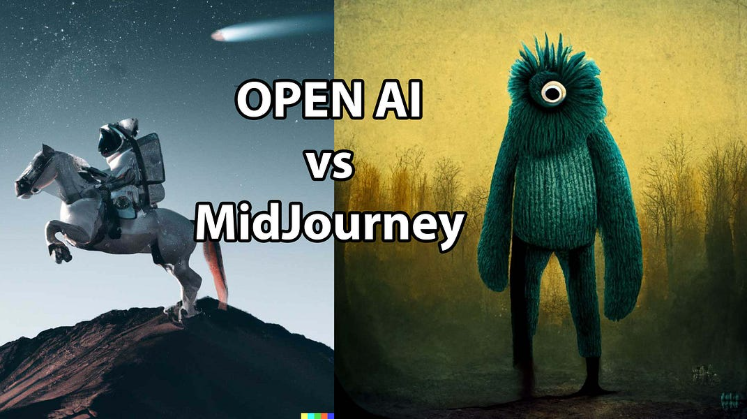
The debate over which generative AI engine reigns supreme is fiercely contested in creative circles. In the early days of AI image generation, the choice was simple: you used DALL-E if you wanted the machine to actually follow your prompt, and you used Midjourney if you wanted the final image to look stunning.
But we have reached a mature frontier in 2026. Both platforms have undergone massive architectural upgrades, fine-tuning their neural networks specifically to handle vector-style graphics, flat design, and commercial layouts.
For brand strategists, founders, and identity designers over at logodesigninspo.com, choosing between OpenAI’s DALL-E 3 and Midjourney isn’t just about personal preference anymore—it is about choosing the right technical tool for your prototyping pipeline.
Let’s put these two generative titans head-to-head to see which one truly wins for crafting brand identity concepts.
1. DALL-E 3: The Semantic Genius of Layout
DALL-E 3’s biggest competitive advantage lies under the hood: its native integration with conversational LLM frameworks. Because it passes prompts through a semantic translation layer, it possesses an uncanny, almost human-like understanding of nuance, spatial relationships, and text rendering.
🏛️ The Branding Strengths:
-
Flawless Prompt Adherence: If you ask DALL-E 3 for “A logo lockup with a geometric blue cube on the left, the word ‘CUBE’ written in a bold black sans-serif font on the right, isolated on a clean white background,” that is exactly what you will get. It doesn’t ignore words or substitute its own artistic style.
-
Native Text Processing: Unlike legacy AI engines that generate unreadable gibberish text, DALL-E 3 handles short text strings, brand names, and taglines with surprising accuracy. It allows you to visualize completed logotypes and wordmarks immediately.
-
Rapid Concept Iteration: Working with DALL-E 3 inside a chat interface feels like collaborating with a junior designer. You can look at an image and say, “Keep the icon, but change the font to a sleek serif and turn the blue into emerald green,” and the system modifies the asset seamlessly.
⚠️ The Branding Weaknesses:
DALL-E 3’s primary limitation is its signature “AI sheen.” Its outputs can occasionally look overly digital, commercial, or plasticky. For high-end branding that requires raw artistic restraint, subtle negative space, or unique editorial flair, DALL-E 3 can feel a bit too safe and formulaic.
2. Midjourney: The Aesthetic Powerhouse of Pure Form
Midjourney is an engine built by artists, for artists. It doesn’t rely on an LLM to rewrite your prompts; instead, it interprets your keywords through a highly sophisticated aesthetic bias filter that prioritizes composition, texture, and visual harmony.
🏛️ The Branding Strengths:
-
Unrivaled Silhouette and Linework Quality: If you use the correct structural constraints (like the ones in our Midjourney Prompt Guide), Midjourney outputs vectors-style graphics with beautiful, flowing curves and perfectly balanced negative spaces.
-
Advanced Parameter Control: Midjourney gives professional designers a granular control panel. By deploying commands like
--noto ban gradients,--style rawto strip default art embellishments, and tuning the--stylizeengine, you can force the machine to output hyper-minimalist iconography. -
Bespoke Creative Discovery: Midjourney excels at the “happy accident.” Because it interprets prompts more loosely than DALL-E, it often generates unexpected, abstract visual metaphors that break away from industry clichés, sparking genuine creative breakthroughs.
⚠️ The Branding Weaknesses:
Midjourney requires a steep learning curve and lives inside Discord or specialized web apps, which lacks the seamless conversational interface of DALL-E. Furthermore, its prompt comprehension can be stubborn. If you ask for a highly specific layout with multiple elements positioned in exact coordinate spots, Midjourney will often ignore your constraints in favor of making the composition look “cool.”
📊 Head-to-Head: The Identity Prototyping Matrix
To see how these platforms execute specific logo design requirements, look at this direct technical comparison:
| Performance Metric | DALL-E 3 (OpenAI) | Midjourney |
| Interface Accessibility | Seamless conversational chat | Text-prompt commands & parameters |
| Prompt Adherence | Excellent (Follows complex layout rules) | Fair (Prioritizes composition over literal text) |
| Text Integration | Highly Accurate (Spells brand names correctly) | Poor (Often yields stylized typographic noise) |
| Aesthetic Sophistication | Clean, commercial, sometimes predictable | Elite (Stunning line weights and textures) |
| Vector Prep Quality | Good (Flat shapes trace easily) | Excellent (High-contrast silhouettes are pristine) |
| Ideal Production Stage | Initial brainstorming & layout lockups | Advanced icon creation & metaphor discovery |
3. Real-World Testing: The Core Brand Prompts
To see the operational difference, consider how both engines process a standard commercial branding brief:
📋 The Test Prompt
“A minimalist emblem for a sustainable energy company, an overlapping leaf and a lightning bolt, geometric symmetry, flat 2D vector graphic, isolated on solid white background.”
-
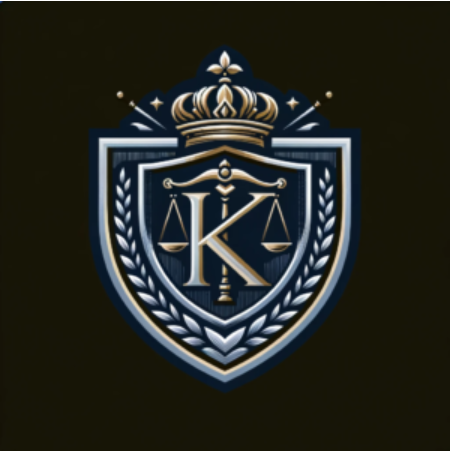
The DALL-E 3 Execution: Will reliably output a clean, centered graphic showing exactly one leaf intersecting with one lightning bolt. The geometry will be neat, clear, and perfectly legible. It will look like a solid, ready-to-use corporate logo icon, if slightly corporate.
-
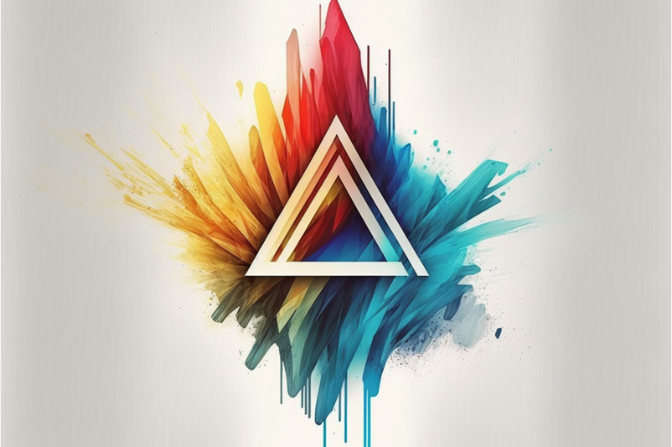
The Midjourney Execution: Might merge the leaf and lightning bolt into a completely unique, highly stylized abstract shape that you hadn’t thought of before. The curves will look incredibly premium and dynamic, though you may have to run a few variations to get the elements to align exactly the way the brief requested.
🏛️ The Verdict: Which Generative AI Wins?
Declaring an absolute winner depends entirely on where you are in your brand identity design lifecycle:
🎯 Use DALL-E 3 If…
You are working directly with a client to map out structural layouts, font positioning, and wordmark lockups. Its ability to spell text correctly and follow exact placement instructions makes it the ultimate tool for rapid, client-facing mood boarding and layout alignment.
🎯 Use Midjourney If…
You are a designer hunting for the core visual symbol, unique iconography, or a breathtaking abstract metaphor. Its superior line control and artistic restraint yield higher-quality silhouettes that are far easier to clean up and transform into editable vector files.
In the ultimate 2026 workflow, elite designers don’t choose one over the other—they use both. They use DALL-E 3 to rapidly map out composition concepts and text hierarchy, and then pivot to Midjourney to generate the pristine, high-contrast geometric icons that will form the immortal heart of the brand identity system.
Leave a Reply