
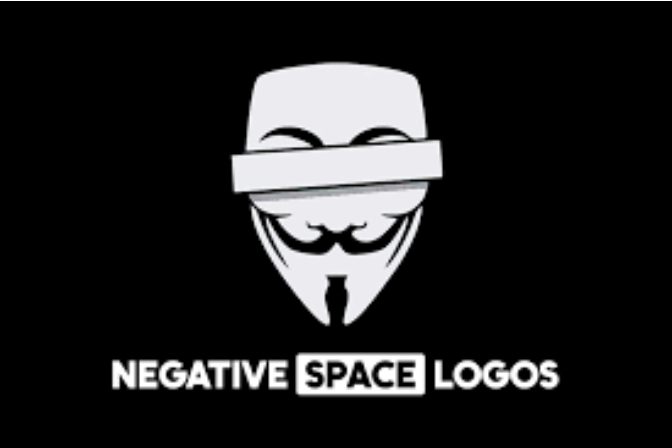
In the world of graphic design, a negative space logo is the ultimate intellectual flex. It operates on a level of visual wit that doesn’t just ask for a customer’s attention—it rewards it. By cleverly utilizing the empty background space to form a secondary image or a hidden message, these logos create an instant “aha!” moment that sticks in the human brain far longer than a standard graphic ever could.
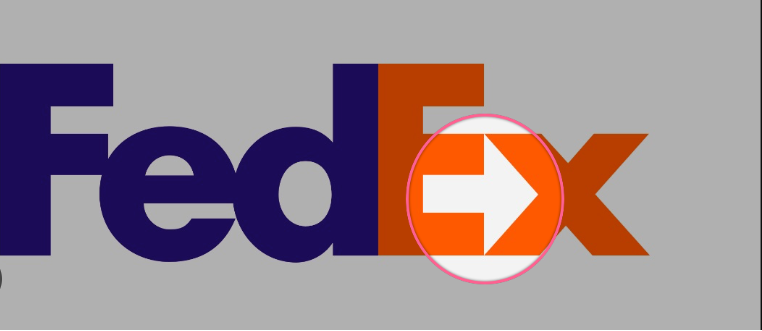
Think of iconic masterpieces like the FedEx arrow or the Toblerone bear hidden in the mountain peak. These aren’t just accidents; they are calculated pieces of visual poetry. When a brand uses negative space effectively, it instantly communicates intelligence, creativity, and a meticulous attention to detail.
To help you unlock this powerful design technique for your own brand, we have curated 25 brilliant negative space logo ideas across four creative categories.
1. Clever Animal Transformations (Ideas 1–6)
Animals possess distinct, highly recognizable silhouettes, making them the perfect canvas for hiding secondary shapes within their contours.
-
The Cat & Mouse Balance: A beautifully clean vector silhouette of a sitting cat, where the negative space trapped between its front legs and chest perfectly forms a tiny, curious mouse.
-
The Hidden Bear Mountain: A sharp, geometric mountain peak symbolizing outdoor adventure, where the white space in the center cuts out the shape of a walking grizzly bear.
-
The Aviary Wine Glass: A sleek logo for a high-end restaurant or vineyard featuring a wine glass, where the negative space inside the bowl effortlessly forms a bird taking flight.
-
The Safari Tree: A rustic acacia tree trunk where the empty spaces on either side of the bark perfectly frame the profiles of an elephant and a rhino facing each other.
-
The Charging Bull Power Button: A modern tech icon featuring a standard electronic power symbol, where the central gap and line form the aggressive horns and face of a bull.
-
The Howling Wolf Crescent: A minimalist crescent moon where the inner, unprinted curve gracefully traces the exact profile of a howling wolf.
2. Typographic Witticisms (Ideas 7–12)
Integrating negative space directly into custom typography elevates a standard wordmark into a premium, conceptual brand mark.
-
The Growth Arrow Monogram: A bold, corporate lettermark where the negative space trapped between a capital letter “N” and “T” forms a clean, upward-pointing arrow.
-
The Keyhole “O”: A thick, geometric sans-serif letter “O” where the center cutout drops down to form the unmistakable silhouette of a classic keyhole, perfect for real estate or security brands.
-
The Cutlery “E”: A minimalist capital letter “E” for a culinary brand, where the empty spaces between the three horizontal prongs shape a fork and a knife.
-
The Espresso Mug “C”: A bold, circular letter “C” where the inner negative space is customized to look exactly like a steaming coffee mug viewed from above.
-
The Pencil Bracket: A publishing or copywriting logo featuring two standard text brackets
[ ], where the empty space between them slices out a sharp pencil tip. -
The Lightbulb “I”: A clean lowercase letter “i” where the combination of the dot and the stem creates a hidden, glowing incandescent bulb in the surrounding space, signaling bright ideas.
3. Corporate & Tech Smart Links (Ideas 13–19)
Tech startups and corporate giants thrive on concepts of connection, data pipelines, and infrastructure. Negative space can bring abstract digital logic to life.
-
The Blockchain Lock: An abstract isometric 3D cube representing data networks, where the center void perfectly creates the shape of a secure padlock.
-
The Cloud Portal: A sleek cloud icon for a SaaS platform, where the white space in the very core forms a clean, open doorway or structural portal.
-
The Data Trend House: A financial or real estate bar chart where the physical gaps between the rising data bars reveal the sharp outline of a residential rooftop.
-
The Interlocking Globe Links: A sphere mapped out by intersecting geometric rings, where the negative spaces form a continuous chain link or a symbolic handshake.
-
The Secure Shield Check: A traditional corporate security shield where a single diagonal slice of negative space through the center creates a clean checkmark.
-
The Infinity Hourglass: A vertical infinity loop (
∞) where the two inner circular voids are mathematically adjusted to form an elegant, time-tracking hourglass. -
The Flight Path Hexagon: A solid tech hexagon where a sharp, diagonal vector slash through the middle creates a soaring jet or rocket path in the negative space.
4. Lifestyle, Food & Retail Objects (Ideas 20–25)
For boutique retail, food brands, and lifestyle services, negative space can merge your business tool with your industry’s ultimate emotional outcome.
-
The Chef’s Hat Knife: A traditional, fluffy chef’s hat silhouette where the central vertical crease of the fabric forms a razor-sharp chef’s knife.
-
The Hanger Boutique Arch: A modern fashion boutique logo featuring a sleek architectural archway, where the negative space at the peak outlines a clothing hanger.
-
The Camera Aperture Leaf: A photographer’s camera shutter lens icon where the central empty space scales and twists into a delicate botanical leaf, ideal for eco or wedding photography.
-
The Wine Bottle Skyline: A horizontal row of geometric wine bottles where the negative space gaps between their necks and shoulders form a chic metropolitan city skyline.
-
The Traveling Suitcase Globe: A minimalist luggage box where the center cutouts form the overlapping circles and latitudes of a global map, perfect for travel agencies.
-
The Spark Shipping Box: A clean cardboard shipping box where the empty space created by the opening flaps forms a brilliant, four-point starburst or spark of innovation.
💡 The Rules of Negative Space Mastery
Designing a negative space logo is a tightrope walk. To make sure your hidden message lands perfectly without confusing your audience, always design with these three golden rules in mind:
1. Prioritize the Primary Shape: Your logo must look good even if someone doesn’t see the hidden message right away. The primary shape (the cat, the letter, the cloud) must be strong, balanced, and instantly readable on its own. The hidden element should be a delightful bonus, not a requirement for comprehension.
2. The Monochrome Commandment: Negative space relies entirely on high-contrast relationships between light and dark. Therefore, your logo must be designed in pure, solid black and white first. If your design requires color gradients, shadows, or multiple tones to make the hidden shape visible, the concept isn’t strong enough yet.
3. Keep the Scales Balanced: Ensure that both the positive shape and the negative shape occupy a relatively equal amount of visual weight. If the hidden shape is too microscopic, it will look like an accidental vector error when scaled down to a mobile app icon or website favicon. Test your design at small sizes frequently.



Leave a Reply